 See the packages
From Dr. Robert Love, PhD, neuroscientist
The whole matcha leaf, in three capsules
Dr. Love Organic Matcha is 1,000 mg of organic matcha green tea powder from Japan in every three-capsule serving. No whisk, no bitter cup, no café line. Here is exactly what is in the bottle, how much caffeine you can expect, and who should skip it.
- 1,000 mg organic matcha powder per serving
- 90 capsules = 30 servings per bottle
- Naturally occurring caffeine with L-theanine
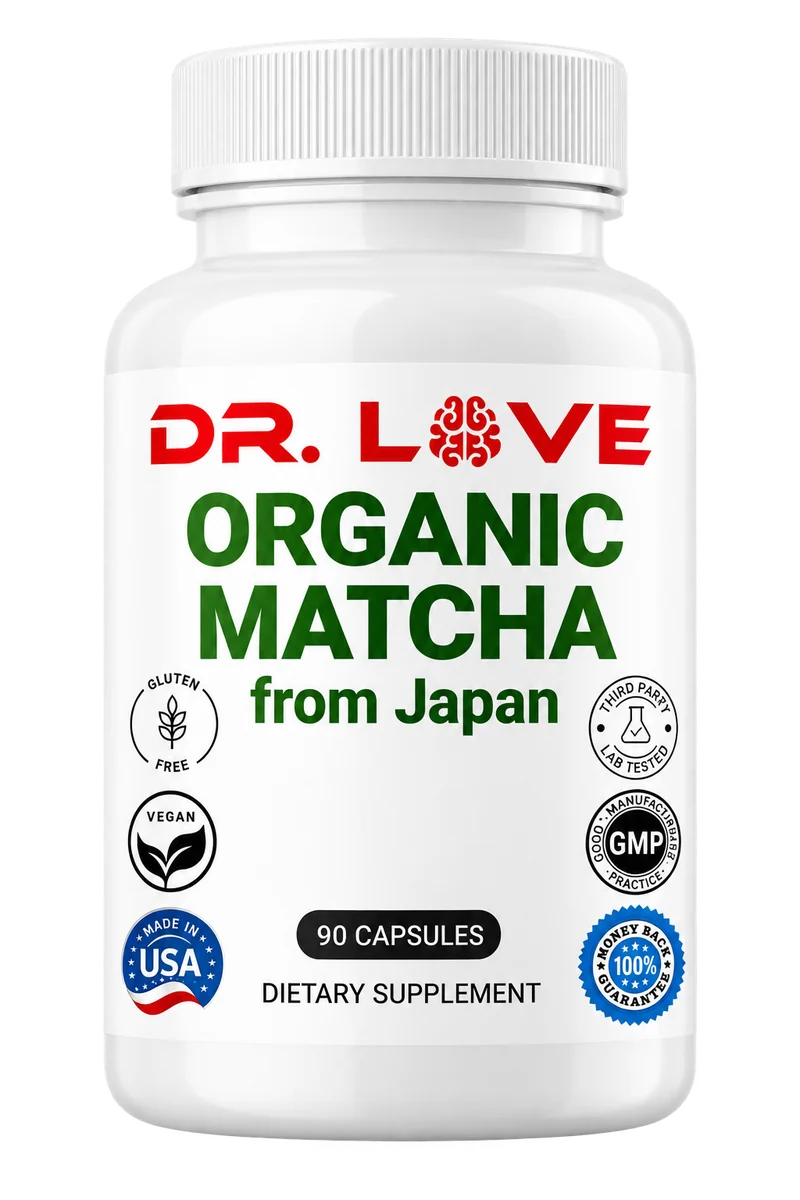
If your mornings run on something you’d rather not depend on
Most people reach for caffeine in the morning for one reason: they have things to do and want to feel awake while doing them. That is a reasonable goal.
What people tell Dr. Love they dislike is the ride: the fast lift, then the dip that sends them back for another cup or another can. Some don’t enjoy coffee at all. Others like matcha but never learned to whisk it, or don’t want to pay café prices every day.
This page is for that reader. It won’t promise you a new brain or a new body. It will explain what matcha is, why people choose it over coffee, what is actually in each capsule, and how to decide whether it fits your day.

A note from Dr. Love
Hi, I’m Dr. Robert Love. I’m a neuroscientist and the founder of Dr. Love’s Supplements.
A lot of my work is about how daily habits affect the brain. When people ask me about energy, they usually want something simple they can take every morning without thinking about it.
Matcha is one of the oldest ways people have gotten their caffeine. It’s a green tea, but you consume the whole leaf instead of steeping it and throwing it away. That whole leaf brings its caffeine together with an amino acid called L-theanine and plant compounds called catechins.
I wanted that in the simplest possible form, so we put organic matcha from Japan into capsules. Three capsules, a glass of water, done.
Dr. Robert Love, PhD
What matcha is, in plain English
Matcha is green tea leaf ground into a fine powder. With regular green tea you steep the leaves and discard them. With matcha you take in the leaf itself.
That is why matcha carries more of the leaf’s naturally occurring compounds into your day: caffeine, L-theanine and catechins such as EGCG. Laboratory analyses of commercial matcha powders find all three, in amounts that vary from one product and harvest to the next.
Dr. Love describes the matcha in this bottle as ceremonial-grade and stone-ground, grown in Japan. The label states it plainly: Organic Matcha from Japan.
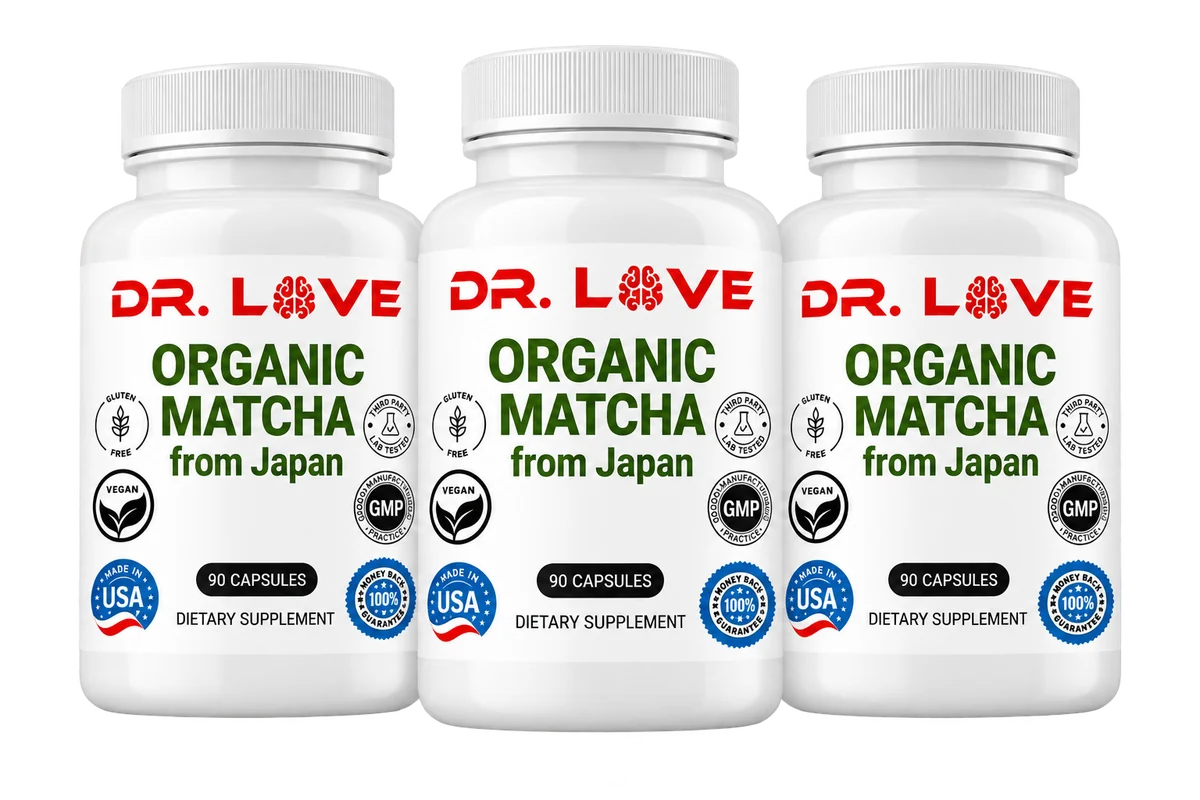
Capsules, not tea bags. Each bottle holds 90 capsules of organic matcha powder.
Why people choose matcha over another cup of coffee
Two things travel together in a matcha leaf. Here is what each one is, and what research on them has and hasn’t shown.
The same stimulant found in coffee and tea. It is what makes you feel more awake. Matcha’s caffeine is naturally occurring; nothing is added.
An amino acid that occurs naturally in tea leaves. Researchers have studied it on its own and together with caffeine; one of those studies is summarized below.
Plant compounds found in green tea leaves. EGCG is the best-known catechin, and matcha contains it because you consume the whole leaf.
What one study found
In a 2010 study, adults given L-theanine together with caffeine were more accurate on a task-switching test than with a placebo. How alert they felt did not change significantly.
That study used the isolated compounds in measured amounts. It did not test matcha, and it did not test this product. We share it to explain why people are curious about the pairing, not to promise you a result.
Three ways to get matcha into your day
Capsules aren’t the only way to take matcha. Here is an honest side-by-side so you can pick the one that suits you.
| Regular green tea | Matcha you whisk | Matcha capsules | |
|---|---|---|---|
| What you consume | Water the leaves were steeped in | The whole ground leaf | The whole ground leaf |
| Preparation | Steep, then discard the leaves | Sift, whisk with hot water | Swallow 3 capsules with water |
| Taste | Mild, grassy | Grassy, slightly bitter | Swallowed, so not tasted |
| Measured amount | Varies by cup | Varies by scoop | 1,000 mg per serving, every time |
| Best for | People who enjoy a hot cup | People who enjoy the ritual | People who want it simple and consistent |
If you love whisking matcha, keep doing it. The capsules are for the mornings you don’t have time, or for people who never warmed to the taste.
How much caffeine is in it?
Straight answer: the label does not list a caffeine number, so we won’t invent one.
Here is what we can tell you. Each serving is 1,000 mg, which is one gram, of matcha powder. One laboratory study of commercial matcha powders measured about 16 mg of caffeine per gram. Other matcha products measure higher or lower depending on the leaf and harvest.
For context, the FDA says 400 mg of caffeine a day, about four or five cups of coffee, is an amount not generally linked to dangerous effects in healthy adults, and that sensitivity varies from person to person.
So treat Organic Matcha as a caffeinated product. Take it in the morning or early afternoon, count it with your other caffeine, and skip it in the evening.
Exactly what’s in the bottle
| Serving size | 3 capsules |
|---|---|
| Servings per bottle | 30 |
| Capsules per bottle | 90 |
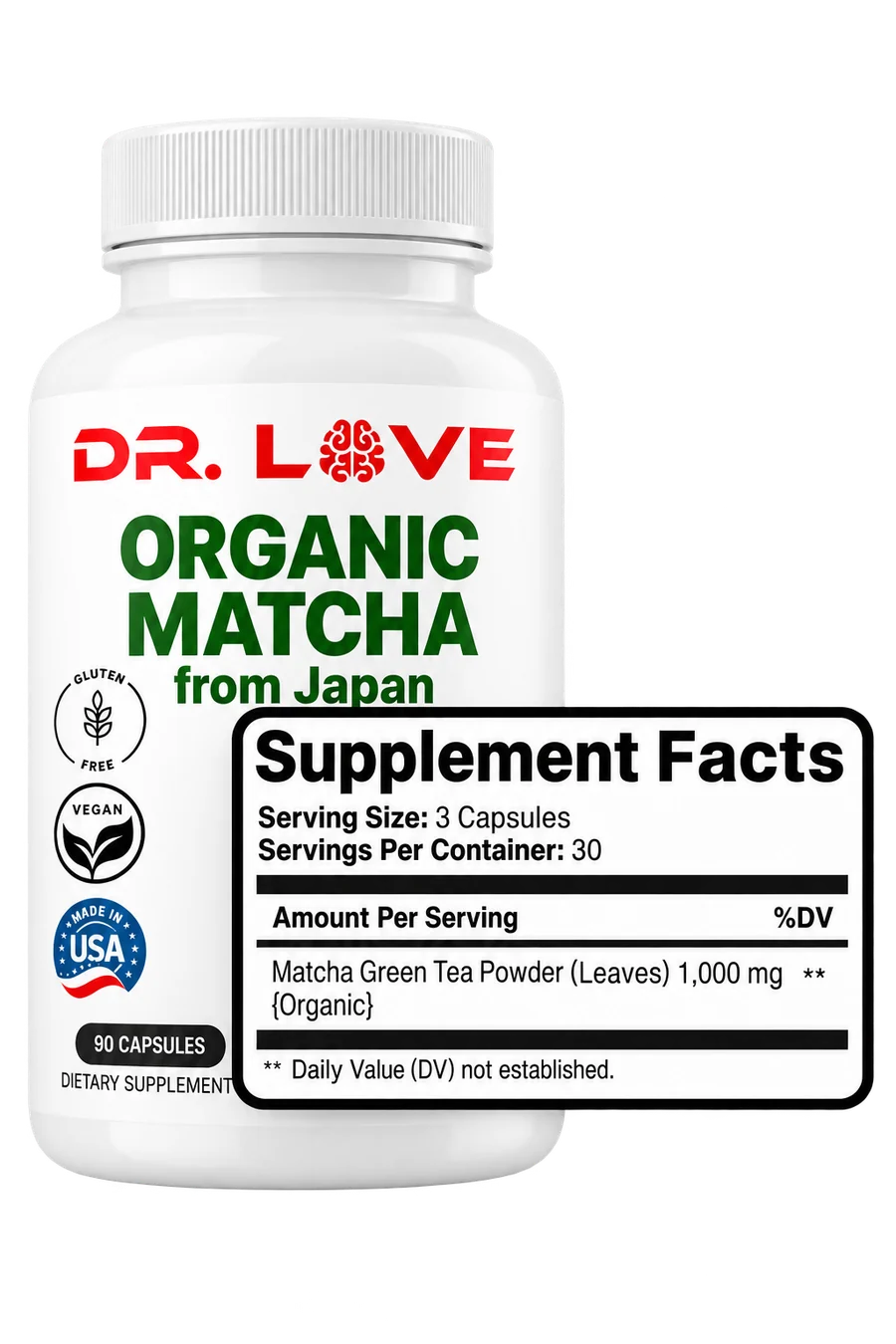
| Per serving | Matcha green tea powder (leaves), 1,000 mg, organic |
| Other ingredients | HPMC (vegetable capsule), inulin powder (chicory root), long grain white rice flour, Nu-FLOW®, L-leucine |
| Made | Manufactured in the USA from domestic and imported ingredients |
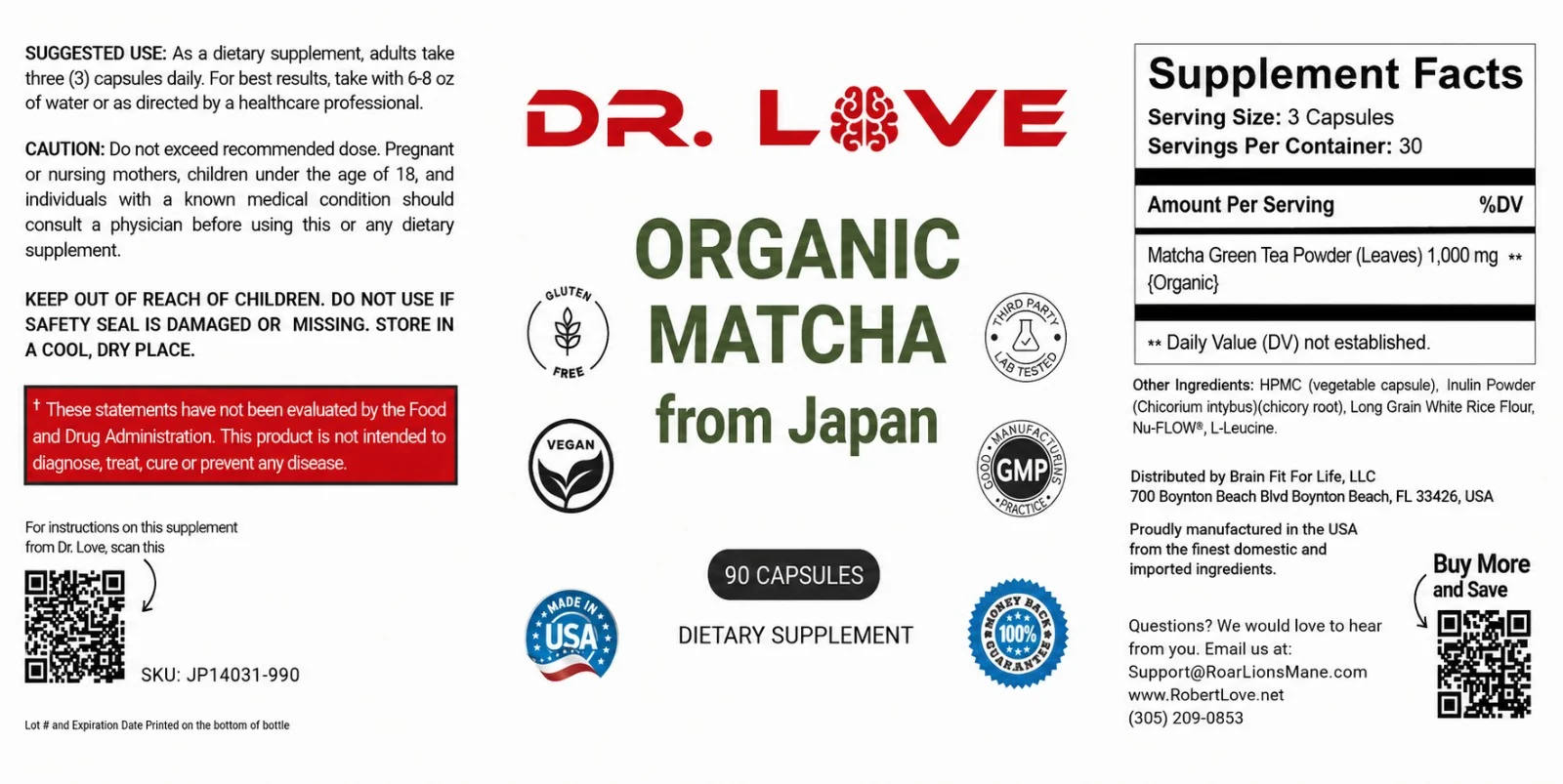
The label also carries gluten-free and vegan marks. Read the full label below before you order, especially if you avoid chicory.
How to take it
Adults take three capsules daily, as the label directs.
Swallow with 6–8 oz of water, for example with breakfast.
Avoid the evening, because matcha contains naturally occurring caffeine.
Don’t take more than the label’s recommended dose.
Who it’s for, and who should skip it
A good fit if you are
- ✓Adults who want their morning caffeine from tea rather than coffee
- ✓Matcha fans who don’t want to whisk a cup every day
- ✓People who like knowing exactly what’s in a capsule: one active ingredient, matcha, with every other ingredient listed on the label
Please skip it, or ask your doctor first
- ×Children and anyone under 18
- ×Pregnant or nursing women
- ×Anyone with a known medical condition or taking medication, until they have asked their physician
- ×People who are sensitive to caffeine or avoid it
- ×Anyone wanting something to take in the evening
When in doubt, show the label to your doctor or pharmacist before you start.
What to expect, and what not to expect
What to expect
- ✓A measured serving of organic matcha powder every morning, with no preparation
- ✓Naturally occurring caffeine, so you may feel more awake, as with any caffeinated tea
- ✓A bottle that lasts 30 days at the label’s dose
What not to expect
- ×A treatment for any condition. It is a dietary supplement
- ×A caffeine-free product. Count it with your coffee, tea and soda
- ×Instant, guaranteed results. People respond to caffeine differently
What we can show you about quality
We would rather show you the label than make claims we can’t document on this page. Here is what the label states: organic matcha from Japan, 1,000 mg per serving, 90 capsules, manufactured in the USA, distributed by Brain Fit For Life, LLC in Boynton Beach, Florida.
Questions about sourcing or a specific lot? The label lists Dr. Love’s support team, and they will answer you directly.
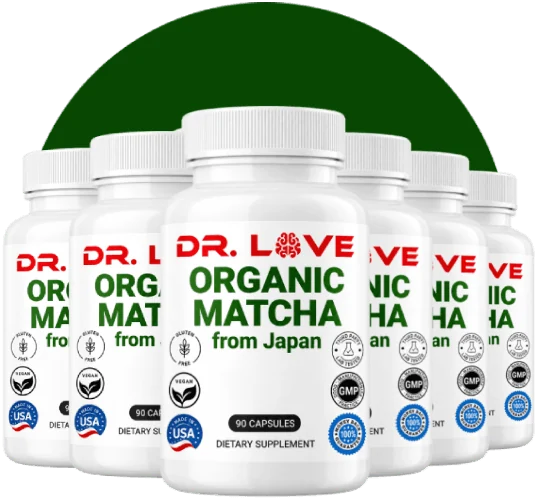
Choose your supply
Each bottle is a 30-day supply at the label’s three capsules a day. Pick the package that matches how long you want to try it.
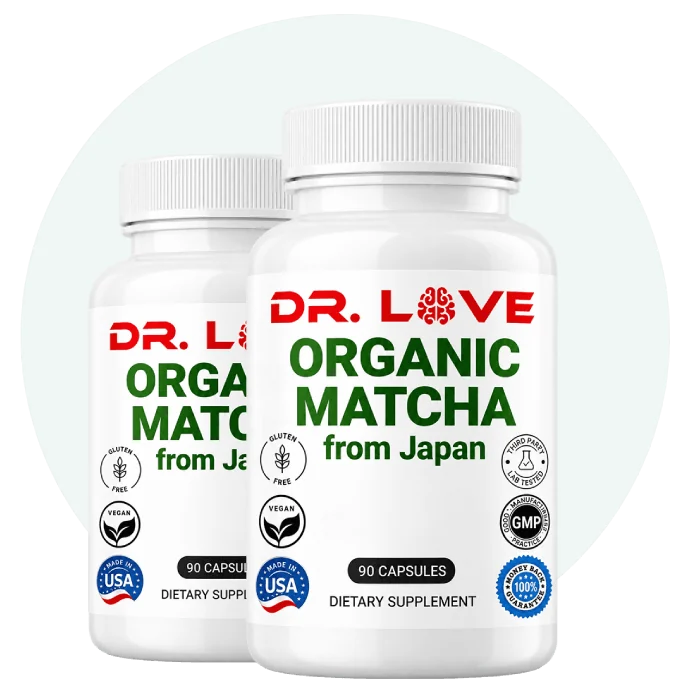
- 2 Bottles of Organic MatchaPrice pending approval
- ShippingPending approval
- 6 Bottles of Organic MatchaPrice pending approval
- ShippingPending approval
- 3 Bottles of Organic MatchaPrice pending approval
- ShippingPending approval
Each button simulates checkout for review only. Prices, shipping and guarantee terms are pending approval; nothing is charged.
Questions people ask
Is this matcha tea?
It’s matcha green tea powder in capsules, not tea bags and not a drink mix. You swallow three capsules with water instead of brewing anything.
How much caffeine does a serving have?
The label doesn’t list a caffeine amount. A serving is one gram of matcha powder, and one lab analysis of commercial matcha measured about 16 mg of caffeine per gram. Treat it as caffeinated and count it with your other caffeine.
Can I take it with my coffee?
You can, but you’ll be adding caffeine on top of caffeine. Many people use matcha in place of a cup rather than in addition to it. If you’re sensitive to caffeine, ask your physician first.
When should I take it?
Morning or early afternoon, with a glass of water. Avoid taking it in the evening.
How long does a bottle last?
90 capsules at three a day is 30 days.
What else is in the capsule?
A vegetable capsule (HPMC), inulin from chicory root, long grain white rice flour, Nu-FLOW® and L-leucine. If you avoid any of those, this isn’t the product for you.
Is it safe with my medication?
We can’t answer that for you. The label asks anyone with a medical condition to consult a physician first, and anyone taking medication should do the same.
How do I reach a person?
Email Support@RoarLionsMane.com or call (305) 209-0853. Both are printed on the label.
References
- Koláčková T, et al. Matcha tea digestion study of commercial matcha products (caffeine 16.1 mg/g, L-theanine 9.85 mg/g in native matcha). 2022. https://pmc.ncbi.nlm.nih.gov/articles/PMC9137484
- Einöther SJL, et al. L-theanine and caffeine improve task switching but not intersensory attention or subjective alertness. Appetite. 2010. https://pubmed.ncbi.nlm.nih.gov/20079786/
- U.S. Food and Drug Administration. Spilling the Beans: How Much Caffeine is Too Much? https://www.fda.gov/consumers/consumer-updates/spilling-beans-how-much-caffeine-too-much